
Why your mini split blows cold air in Maine
Why is my mini split blowing cold air?
You want heat and the mini split is pushing out cold air instead, which in a Maine winter means the room is losing ground fast. Most likely you were expecting warmth and got the opposite, or the air coming out feels no warmer than the room itself. Either way something is off with how the unit is switching modes or moving heat, and you want to know what's behind it before you decide whether to call someone.
The unit is stuck in the wrong mode, or it's low on refrigerant and can't move heat
A mini split that blows cold air in heating weather is usually set to cool by mistake, or it's in defrost and briefly running cold air outside while it clears ice off the outdoor coil before switching back. If the thermostat or remote shows it's set to heat and the air still isn't warming up, the system may be low on refrigerant, which keeps it from pulling heat out of the cold outdoor air at all. With most homes here heating on oil, the mini split often isn't the only thing standing between you and a warm room, so a unit that won't heat matters more here than it would somewhere milder. Left alone, a refrigerant problem tends to get worse, not better.
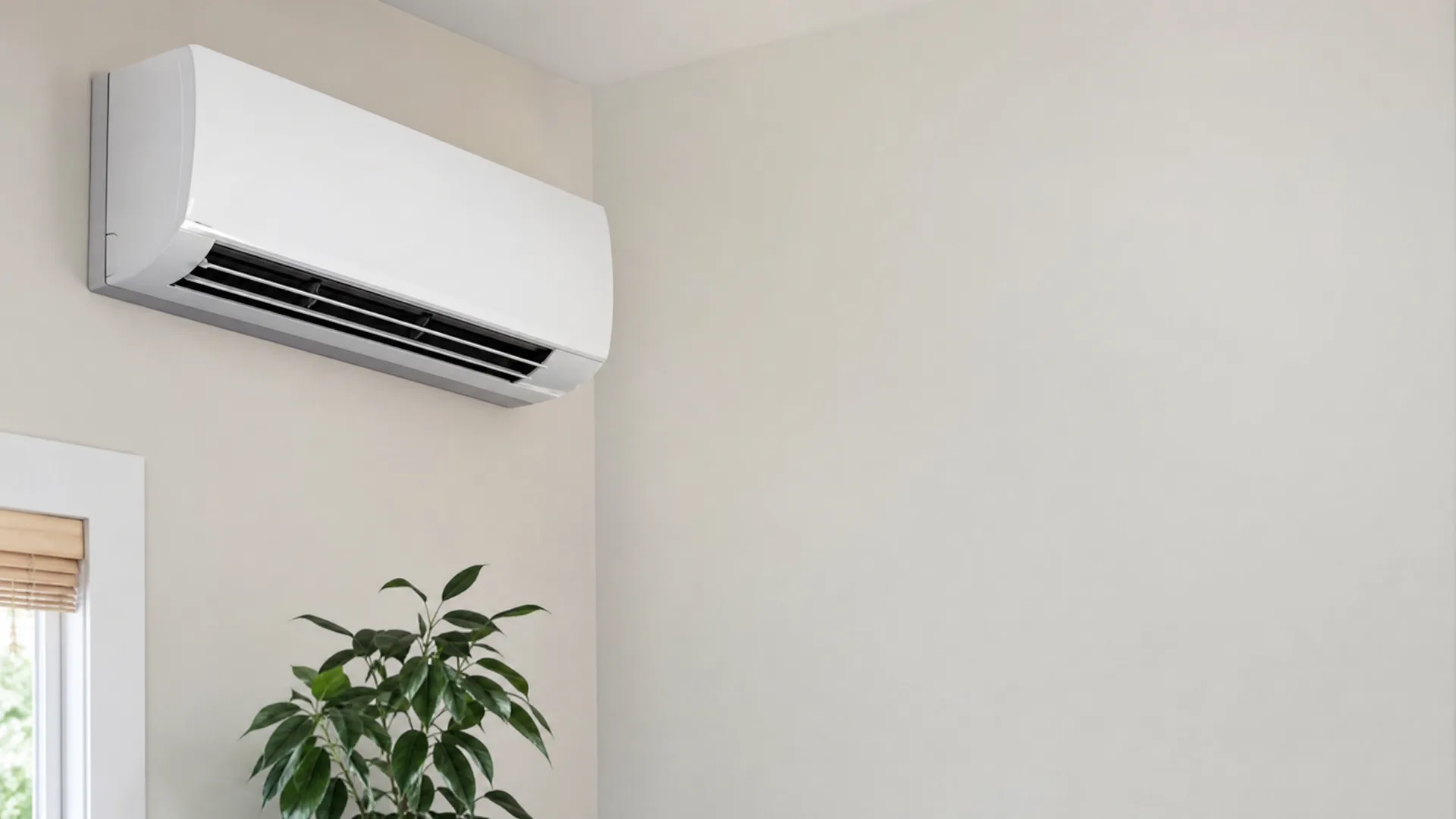
Why it defaults to cold air
A mini split that can't finish a heating cycle will fall back to blowing room-temperature or cold air rather than shut off completely. This happens when the outdoor unit can't pull enough heat from the outside air, often because the coil is iced over or the refrigerant charge is low. The indoor head still runs the fan, so air keeps moving, but without heat behind it. That's the mismatch you're feeling.
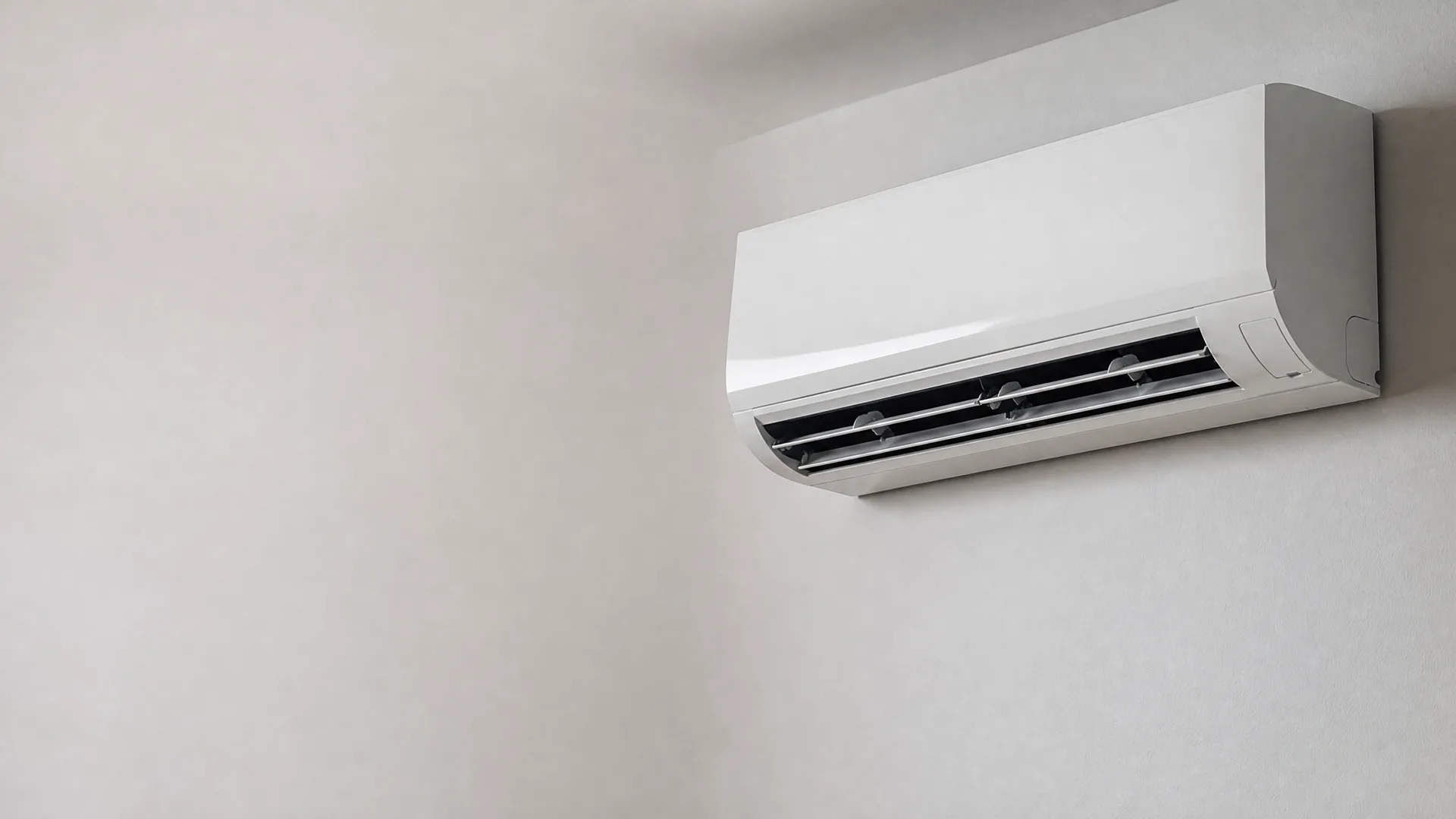
What that means for your oil bill
If your home heats with oil like most homes in Maine, the mini split blowing cold air isn't just uncomfortable. It means the oil furnace is likely picking up the slack, running longer than it should to cover a room the mini split was supposed to handle. With electricity rates here among the highest in the country, a mini split stuck in this state is costing you twice: once in oil, once in power drawn for a unit that isn't producing heat.
Call Now or Wait It Out
Still Worth a Call Now
- The unit still powers on and the fan runs, which means the control board and wiring are working and the fix is likely in one part.
- Cold air started after a cold snap or ice storm, pointing to a frozen outdoor coil rather than a failed component inside.
- You can hear the outdoor unit running but feel no heat at the indoor head, which usually means a refrigerant or defrost problem a tech can diagnose in one visit.
- The system heated fine last winter and the change is sudden, which tells a contractor to look for one failed part instead of a system near the end of its life.
- Outdoor coil has visible ice or snow built up around the base, which a service call can clear along with whatever is stopping it from defrosting on its own.
Call Before It Gets Worse
- The outdoor unit is buried in snow or surrounded by ice that formed days ago, since running it like that risks the compressor.
- Oil furnace is covering the load for now, but every day the mini split blows cold is a day the furnace burns more oil than it should.
- The indoor head is icing up or dripping water, which points to a clogged line or blocked drain that gets worse the longer it runs.
- You've noticed the problem more than once this season, since a mini split that keeps slipping into cold air mode usually has a part failing rather than a one-time glitch.
- Electricity here costs enough that running a mini split on backup heat or emergency strips to cover for it adds up fast on the bill.







You're at your desk around two in the afternoon, laptop open, the mini split humming on the wall above you. Outside is one of those mild Maine summer days, nothing heavy in the air, windows cracked. You notice the wall under the indoor unit first, a dark streak soaking into the paint, running down toward the baseboard. By the time you get up to look, water has pooled enough that you grab a towel off the bathroom rack and drop it on the floor under the unit. You stand there watching the drip, trying to remember if it did this last summer, while the towel starts to soak through too.
Send one request and you're done looking
A mini split blowing cold air in January isn't something to wait out. Most Maine homes still lean on oil for heat, and the mini split is likely covering rooms the furnace doesn't reach well, or trying to take pressure off it. When it quits doing that job, the furnace picks up the slack, and with oil prices what they are and electricity among the highest in the country, you're paying twice for heat you're only getting once. Finding someone to look at it usually means searching around, calling a few shops, explaining the same problem three times, then sitting with quotes trying to guess who actually knows these units. Send the request once and that work is off your plate. One contractor who works on mini splits gets your information and the room stays cold until then, but at least you're not also spending your evening on the phone chasing someone who can fix it.
What's Actually Happening Inside the Unit
- The indoor unit's thermistor reads room temperature and tells the board when to call for heat, and a drifting sensor can leave the unit convinced it's warmer than it is.
- Defrost mode pulls heat from the indoor air to melt ice off the outdoor coil, so the vent blows cool for several minutes while that happens.
- A reversing valve stuck between heating and cooling positions can leave refrigerant flowing the wrong direction even though the unit says it's in heat mode.
- Low refrigerant charge means the outdoor coil can't absorb enough heat from the outside air, so the compressor runs without producing real warmth.
- The outdoor fan motor has to keep air moving across the coil, and a slow or failing motor cuts how much heat it can gather before it ices over.
- A clogged indoor filter restricts airflow across the coil, so what reaches the room feels cooler than what the unit is actually producing.
A mini split heats by moving heat from the outside air into your room, and that process has several points where it can fail quietly instead of shutting the system down. The thermistor in the indoor unit is what tells the board how warm the room actually is. If that sensor drifts, the board thinks the job is done and backs off, even though you're sitting under a cold vent. Defrost is normal in a Maine winter. Ice builds on the outdoor coil and the system has to reverse briefly to clear it, pulling warmth from your room's air to do it. That's a few minutes of cool air by design. What isn't normal is a reversing valve that sticks between modes. The board can say it's heating while the valve is still routing refrigerant the way it would for cooling, and no amount of waiting fixes that on its own. Low refrigerant does something similar from a different angle. The outdoor coil needs enough charge to grab heat from the outside air, and without it the compressor keeps running with little to show for it. The outdoor fan motor matters too. If it slows down, less air crosses that coil, ice forms faster, and the cycle above gets worse. Even a filter clogged with dust can make warm air feel cooler by the time it reaches you, though that one's on you to check first.



The thermostat calls for heat and the board checks the outdoor temperature.
The reversing valve shifts so the outdoor coil absorbs heat instead of releasing it.
The compressor pulls refrigerant through the outdoor coil to gather outside heat.
Frost builds on the outdoor coil faster than the defrost cycle can clear it.

What a cold mini split costs you in a Maine house
If the mini split is covering a room your oil furnace doesn't heat well, a bedroom addition, a converted porch, a room over the garage, that room goes cold while the furnace keeps running the same as always. You end up running a space heater to make up the difference, and on Maine power rates that adds up fast on top of what the oil is already costing you. Some homeowners just close the door on that room for the winter and call it a loss.
Left alone, the cause behind the cold air doesn't stay put. A sensor that's drifted or a reversing valve stuck partway through a cycle tends to get worse, not better, and a unit that can't finish a defrost cycle is working harder every time it tries. Chasing down a contractor who knows mini splits, not just central air, calling around to see who's free, explaining the same problem three times over, that's the part you can skip. Send the details once and the search for who to call is no longer yours to do.


Summer air in Maine averages a dew point of 59°F across June, July and August, which is why it feels mild even on a warm afternoon. That matters for your mini split in winter because the same outdoor coil doing the cooling now is what pulls heat from the air come January, and a coil that runs clean through a mild summer holds up better against ice and frost load once temperatures drop. A summer with heavy grime or a coil packed with debris going into fall gives the system less to work with when it needs every bit of outside heat it can get. Source: 30-year climate averages for Maine.
NASA POWER T2MDEW county cells weighted by homes


Power costs 27.69 cents per kilowatt-hour statewide
At 27.69 cents per kilowatt-hour, running a mini split on backup resistance heat instead of its compressor gets expensive fast. A unit stuck blowing cold air often means the compressor has stopped doing the work, and whatever is covering the room's heat is costing you more by the day.
EIA-861 2025 statewide residential average
A mini split blowing cold air in a Maine winter has a cause, and it's one a tech can find without much guesswork: a bad thermistor, a defrost cycle stuck on, a frozen outdoor coil, a low charge. The room it's supposed to be heating keeps losing ground until someone looks at it. What's in front of you now is the part that's actually hard: finding a contractor who works on mini splits, calling around to see who can come out, explaining what the unit is doing to three different people, then weighing quotes against each other while the room stays cold. Send the form and that part is done. You're not left searching on your own or waiting on hold to describe the same problem again. Someone qualified gets matched to the job, and you go back to watching the room, not the phone.





Finding a pro stops being your job
Answer a few questions instead of calling shop after shop.
You're not committing to anything by asking.