










Is a cold-climate mini split worth it in Maine

A local installer who puts in mini splits gets your project.

Get a local pro

Yes, a cold-climate mini split is worth it in Maine, as long as it's the cold-climate version and not the standard one. These units keep producing heat well below zero, down to around negative 15 degrees or colder depending on the model, because they use a different compressor design and a secondary injection cycle to keep pulling heat from outside air when it's thin. That matters here because most homes still rely on oil for heat, and oil prices move around enough to make a second system that runs on electricity worth having, even if you don't take the oil furnace out. In summer, Maine doesn't get the heavy, humid heat that other places do, so the same unit cools your main living space well without working hard. The one thing to get right is sizing and placement, since a unit that's too big for the room will cycle on and off and won't dehumidify properly, and one that's too small won't keep up on the coldest nights.

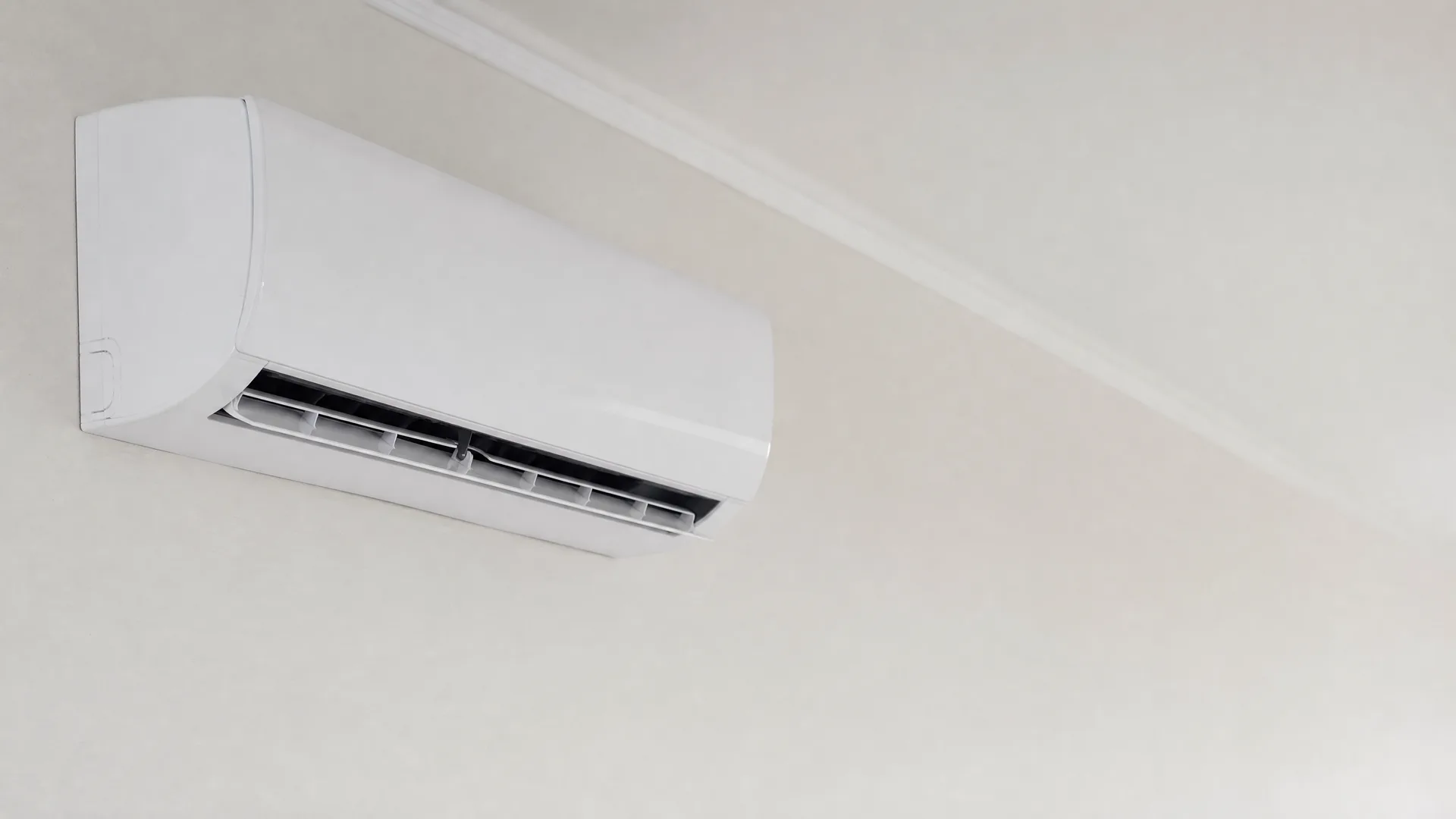
A white wall-mounted mini-split air conditioner indoor unit installed near the ceiling on a plain beige wall.

Why oil heat costs more here

Most houses in Maine heat with an oil furnace or boiler, and oil gets bought by the tank, not the therm, so the price swings with the market and you feel every swing. A cold-climate mini split moves heat instead of burning fuel to make it, so it uses less energy per degree of warmth than oil does. Running one alongside your furnace, or using it as the main source on milder days, cuts into how many tanks you buy over a winter.

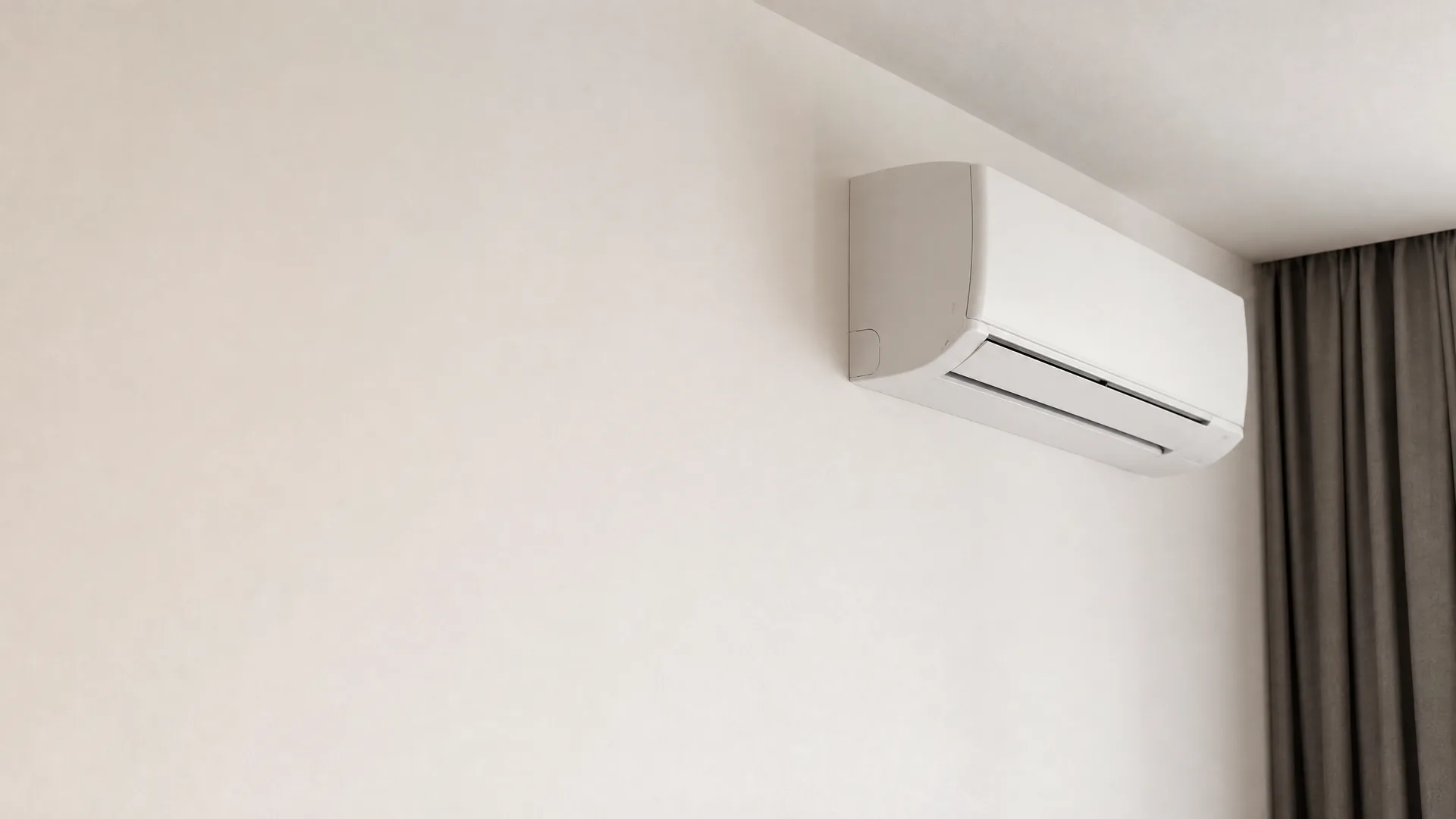
A white wall-mounted mini-split air conditioner on a plain off-white interior wall, with a gray curtain at the right edge.

What keeps it running at zero

A standard heat pump loses its ability to pull heat from outside air once temperatures drop into the 30s or 40s. A cold-climate model uses a variable-speed compressor that ramps up output as the air gets colder, along with an enhanced vapor injection cycle that keeps refrigerant pressure where it needs to be. That's what lets it keep heating a room at negative 15 instead of shutting down and leaving the furnace to do all the work.

How does a cold-climate mini split keep making heat when it's below zero outside?

You've seen your mini split keep running on the coldest nights and wondered how it's pulling heat out of air that feels like it has none left to give. It sounds like it shouldn't work, especially with Maine winters dropping well below zero.

It compresses the refrigerant to raise its temperature, not the outdoor air

Cold air still holds heat, just less of it. The outdoor unit pulls that heat into refrigerant, then a compressor squeezes the refrigerant until its temperature climbs well above room temperature. That hot refrigerant moves inside to the indoor head, where a fan pushes room air across it and the heat transfers over. A cold-climate model uses a compressor built to keep compressing efficiently even when the refrigerant starts out very cold, which is the part a standard unit struggles with below freezing. Some models also inject extra refrigerant vapor partway through the compression step to keep output up as the outdoor temperature drops. That's the difference that matters on a January night in Maine.

A white wall-mounted mini-split air conditioner on a beige interior wall, with a window at left showing trees and a wooden fence, and dark wood flooring below.
Running steady on a cold night, pulling heat out of the air and keeping the room warm without the oil burner kicking on.
A white wall-mounted mini-split air conditioner indoor unit with dark louvered vents, installed near the ceiling on a beige wall below white crown molding.
Coated in dust and years old, straining to keep up because a unit this neglected is losing the efficiency you're paying for.

Is your mini split actually keeping up this winter

You notice it most on the coldest nights. The outdoor unit is running nonstop, and the air coming out feels cooler than it used to, or the room just won't quite get there. Maybe the oil burner keeps kicking on anyway, even though you installed the mini split to take some of that load off. You might hear it cycling more than it should, or notice ice building up on the outdoor unit that doesn't clear on its own. None of that is normal for a cold-climate system working right. A unit that's struggling in the cold is burning more power to do less, and if it's propping up an aging oil system instead of replacing its share of the work, you're paying for both.

A woman with dark hair in a bun wearing a cream knit sweater sits on a gray sofa in a bright living room, looking off to the side.
A woman wrapped in a knit blanket sits on a gray sofa in a living room, looking toward a bright window with houseplants and an armchair in the background.
A woman in a gray cowl-neck sweater sits on a light sofa with cushions, smiling and looking to the side, with a kitchen and window visible behind her.
A woman with dark hair in a bun, wearing a light linen shirt, sits on a sofa and looks to the side, with a window, houseplants and a kitchen with pendant lights blurred behind her.

The right pro for this job

One installer gets your project, so there's no bidding war over it.

Sending the form costs nothing.

Oil backup versus mini split alone

Keeping the oil furnace or boiler as backup means you've got heat no matter what, and on a night near zero or colder, the mini split might lean on it more. The furnace cycles on, burns through part of a tank, and the house stays warm without you thinking about it. It's the setup most homes here already have, so there's nothing new to install beyond the mini split itself. The tradeoff is you're still buying oil some of the winter, and oil's price moves with the market, not with how cold it actually gets outside.

Running the mini split alone

Some homeowners shut the oil heat off entirely and let the mini split carry the whole house, even on the coldest days. A cold-climate unit sized right for the space can do this, since it's built to keep producing heat well below zero. You stop buying oil altogether, and the bill becomes just electric, which matters given how much power costs in Maine. The risk is if the unit is undersized, or something's off with it, there's no furnace to catch the difference, and you'll feel it on the one night you can't afford to.

A white wall-mounted mini-split air conditioner indoor unit with visible dust and staining along its lower vent, installed on a plain pale wall.
Before you get your mini split installation
A white wall-mounted mini-split indoor unit installed high on a gray interior wall, with a window at left and part of a light gray sofa with a dark cushion at lower right.
After you get your mini split installation
A white wall-mounted mini-split air conditioner installed high on a light gray interior wall below a white crown molding and ceiling with a recessed light.

Clean and running the way it should

A unit this clear of dust is moving the air it's rated for. The vents stay unobstructed, the coil underneath isn't caked, and the room gets warm or cool on the schedule it was built for, through a Maine winter or a muggy August week.


A dusty, discolored white wall-mounted mini-split air conditioner unit installed on a plain beige interior wall below a molding strip.

Dust and years catching up to it

That discoloring on the case isn't just looks. Dust on the casing usually means dust on the coil behind it, and a coil that's coated can't move heat the way it did when the unit was new. It starts working harder for less.

A smiling older woman with gray hair in a cream knit sweater stands in a dimly lit kitchen beside a window showing snow outside, with a round loaf of bread on the counter in the foreground.
A woman and a child wrapped together in a thick knitted blanket on a sofa, both with eyes closed, with a lit table lamp and houseplant in the dim background.

Mini split only

Lower power use since you're not burning oil, but on the coldest nights near zero it works hardest and may not carry the whole load by itself.

Find a licensed pro

Mini split with oil backup

The furnace covers the extreme cold your mini split struggles with, so you're paying for both systems but never caught short on a hard night.

Find a licensed pro

Power costs 27.69 cents per kilowatt-hour statewide

At that rate, every kilowatt your mini split pulls costs more here than almost anywhere else in the country. That's exactly why it matters that the unit moves heat instead of generating it, since getting three or four units of heat per unit of power is what keeps the electric bill from erasing the savings on oil.

EIA-861 2025 statewide residential average

A woman in a cream sweater and jeans stands in the open doorway of a white stucco house, holding the dark door, while a man in a dark quilted jacket seen from behind walks toward the entry past potted plants.

A cold-climate mini split earns its keep in a Maine winter

You've seen what it does on a cold night and what the oil tank costs to fill. The unit moves heat instead of burning fuel for it, and that's the difference that shows up on the bill every month oil doesn't get used as much. Whether it's worth it in your house comes down to the model being the cold-climate version, sized right for the rooms it's covering, and kept clean enough to run the way it's rated.

If you're not sure where yours stands on any of that, a local contractor who services these units all winter can look at what you have and tell you straight. You'd be matched with one contractor who works on cold-climate mini splits in Maine homes, not a handful of companies calling you at once. They'll know your model, what tends to go wrong with it this far north, and whether what you've got is set up to carry you through the next cold snap.

A living room corner with a beige sofa and cushion, a round wooden coffee table holding a pale ceramic vase of eucalyptus stems and a wooden bowl, and a curtained window with a potted plant above a latticed radiator cover in the background.
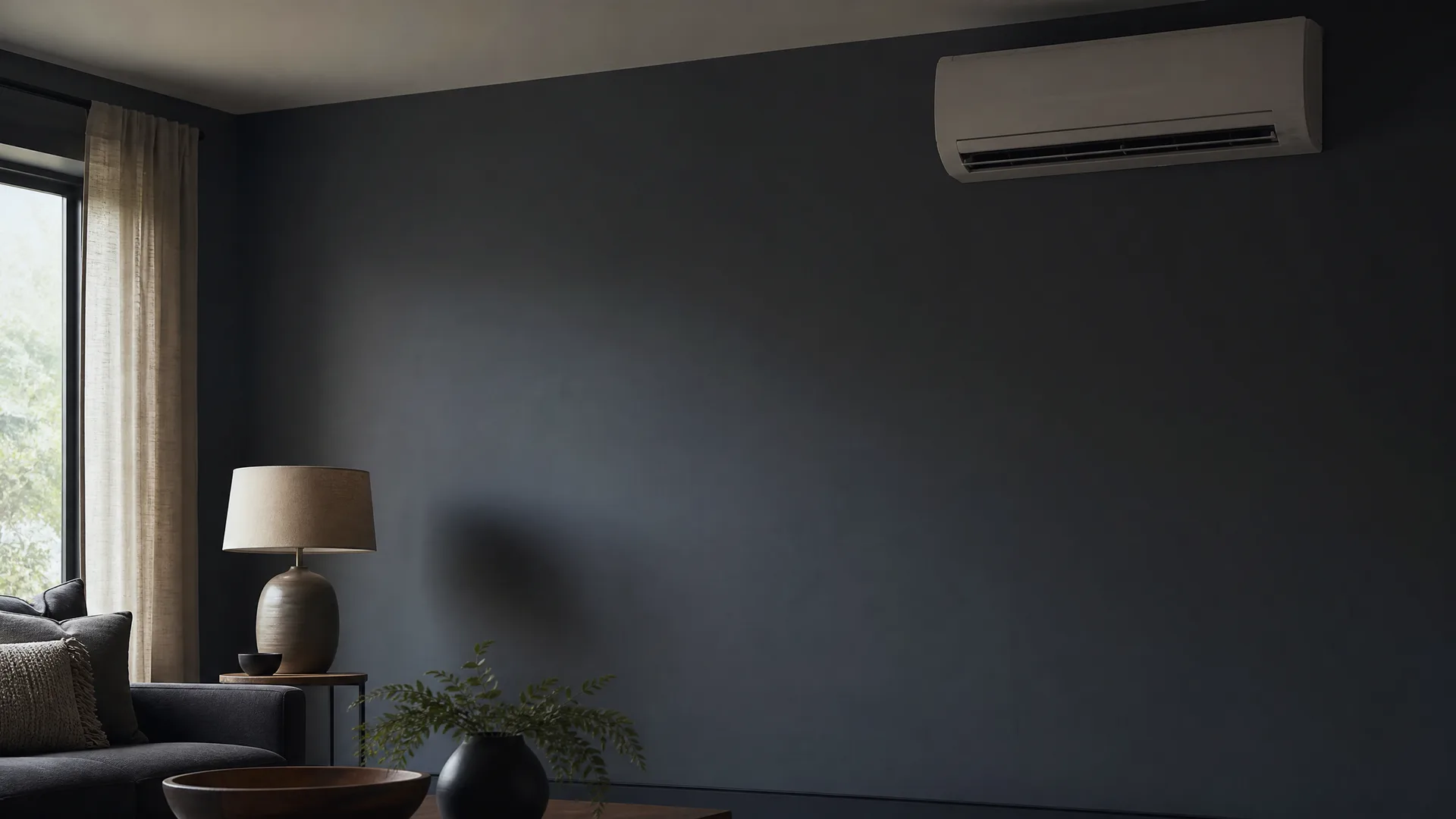
A dimly lit room with a dark gray wall holding a white wall-mounted mini-split air conditioner near the ceiling, with a sofa, table lamp, potted plant, and curtained window at left.

A mini split pro near you

The pro who reaches out is licensed in Maine.

Step 1 of 3: Equipment